
Pelvic Congestion Treatment
Pelvic congestion is an abnormality veins of the pelvis that can lead to pain and pelvic heaviness. Symptoms can be treated with a minimally-invasive procedure called Ovarian Vein Emoblisation.
ABOUT PELVIC CONGESTION SYNDROME
What is pelvic congestion syndrome?
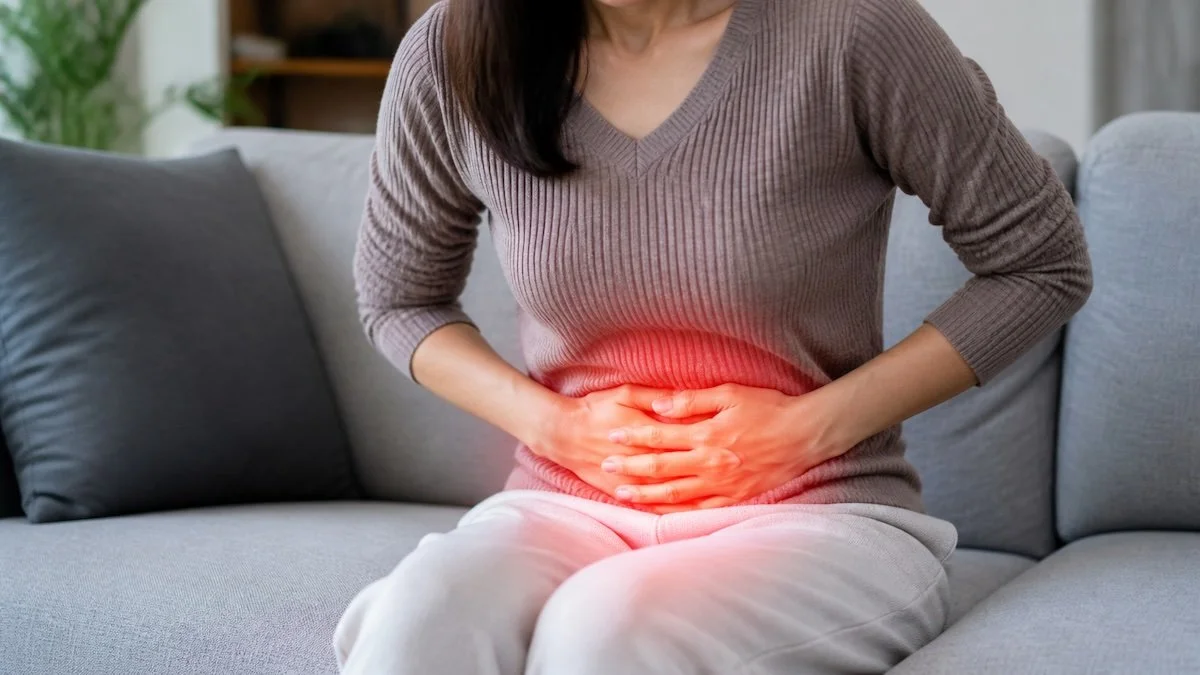
Pelvic congestion syndrome (PCS) is a cause of long-term pelvic pain in women. Veins carry blood back to the heart using one-way valves. If the valves in the pelvic veins — specifically the ovarian veins — stop working, blood flows backwards and pools in the pelvis. The veins around the uterus and ovaries swell and stretch similar to varicose veins in the legs, but hidden inside the pelvis. This stretching causes pain.
What are the symptoms?
A dull, heavy ache in the pelvis or lower belly, lasting more than 6 months
Pain that gets worse through the day, or after long standing, sitting or walking
Pain that improves when you lie down, especially first thing in the morning
Pain during or a deep ache after sex
Visible varicose veins around the vulva, buttocks or upper thighs
Bladder irritation (needing to go often or urgently), lower back ache, or heavy, aching legs
Who gets it?
PCS most often affects women who have had two or more pregnancies, before menopause. Women with varicose veins in the legs are also more likely to develop it. In some women, a compressed vein deeper in the body (a “compression syndrome”) adds to the problem — your specialist will check for this.
How is it diagnosed?
Because pelvic pain has many possible causes (such as endometriosis or fibroids), these are usually checked for first. Tests may include:
Pelvic ultrasound (usually the first test) — can show enlarged veins and backward blood flow
CT or MRI scans — give a detailed map of the pelvic veins
Venography — a dye study done through a small tube at the time of treatment; this is the most accurate test
What is ovarian vein embolisation?
Ovarian vein embolisation (OVE) is a safe, minimally invasive, day procedure that treats the cause of PCS. An interventional radiologist uses X-ray guidance to seal off the faulty veins from the inside, so blood can no longer pool in the pelvis. There are no surgical cuts and no general anaesthetic.
Talk to us about whether this procedure is right for you
ABOUT THE PROCEDURE
What happens on the day?
You are given light sedation to keep you relaxed, plus local anaesthetic to numb the skin.
A thin tube (catheter) is placed into a vein in the neck or groin through a tiny nick in the skin.
Using X-ray guidance, the tube is steered into the pelvic veins and dye is injected to confirm the faulty veins.
Tiny soft coils and/or a sealing medication are placed to permanently close the leaking veins.
The tube is removed. No stitches are needed. The procedure takes about an hour.
Recovery
You will be monitored in a recovery bed for 1–2 hours afterwards, and most people go home the same day.
You cannot drive for 24 hours after sedation, so please arrange a lift.
A dull ache in the pelvis or lower back is common for a few days. Simple pain relief like paracetamol usually settles it.
Most people return to work and normal activities within 1–2 days. Avoid heavy lifting and strenuous exercise for 1–2 weeks.
Pain relief from the procedure builds gradually over weeks to about 3 months as the congested veins shrink.
How well does it work?
The procedure is technically successful in more than 95% of cases.
More than 85% of women report significant, lasting improvement in their pelvic pain, with benefits shown at 2–5 year follow-up.
It gives better long-term results, faster recovery and fewer complications than surgical options.
What are the risks?
Serious complications are rare (overall risk under 1–2%). Possible issues include:
Bruising or tenderness at the neck or groin (common, settles quickly)
Temporary pelvic ache, mild fever or nausea for a few days
Rarely, a coil moving out of place, a reaction to the X-ray dye, or infection
Will it affect my fertility or hormones?
Current evidence shows embolisation does not affect periods, hormone levels, or the ability to fall pregnant in the future.
Other treatment options
Pain medicines and hormone treatments may help some women but often give only partial or temporary relief.
Surgery to tie off the veins is more invasive with a longer recovery and only treats one of the veins that may be involved.
Hysterectomy is not recommended — PCS is a vein problem, not a uterus problem, and pain often persists after this surgery.
Next steps
If long-term pelvic pain is affecting your life, talk to your GP about a referral to Clinical Precision in Geelong. Our interventional radiologist will review your symptoms and scans, confirm whether PCS is the likely cause, and discuss whether embolisation is right for you. Where needed, we work alongside your GP, gynaecologist or pain specialist to make sure all causes of your pain are considered.
For referring practitioners: please include ultrasound, CT and/or MRI reports and any previous specialist correspondence with your referral. A detailed referrer information sheet is available on request.