Fibroid Treatment
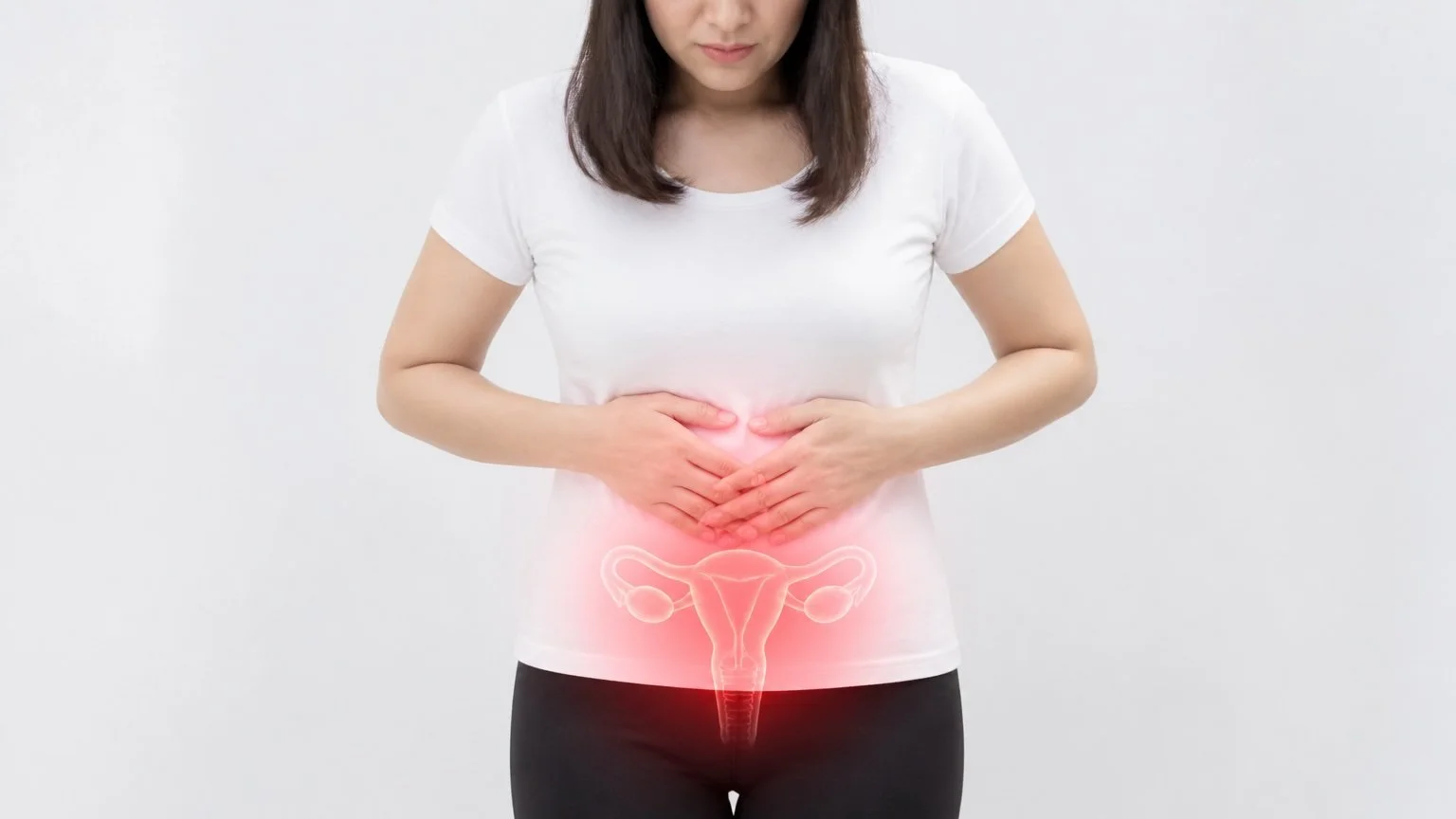
Fibroids are an abnormality in the uterus that can lead to heavy and painful periods. Symptoms can be treated with a minimally-invasive procedure called uterine artery embolisation.
ABOUT UTERINE FIBROIDS
What are fibroids?
Fibroids are non-cancerous growths of the muscle of the uterus (womb). They are very common — many women will develop them, most often between the ages of 30 and 50. Fibroids can be as small as a pea or larger than a grapefruit, and many women have more than one. They are not cancer and do not turn into cancer, but they can cause troublesome symptoms.
What are the symptoms?
Many fibroids cause no problems at all. When they do, symptoms can include:
Heavy or long menstrual periods, sometimes with clots
Anaemia (low iron) and tiredness from blood loss
Pain, pressure or a feeling of fullness in the pelvis or lower belly
A swollen or bloated lower belly
Needing to pass urine often, or difficulty emptying the bladder or bowel (from pressure on nearby organs)
Pain during sex
How are fibroids diagnosed?
Fibroids are usually found on a pelvic ultrasound. An MRI scan is often done before treatment to map the size, number and position of the fibroids and to help plan the best approach.
What is uterine fibroid embolisation?
Uterine fibroid embolisation (UFE) is a safe, proven, minimally invasive procedure that treats fibroids without surgery and without removing the uterus. An interventional radiologist uses X-ray guidance to block the small arteries that feed the fibroids. Starved of their blood supply, the fibroids shrink and soften over the following months, and symptoms improve. The normal uterus has other blood supplies and is not harmed.
UFE treats all the fibroids in the uterus at once — not just one.
Talk to us about whether this procedure is right for you
ABOUT THE PROCEDURE
What happens on the day?
You are given light sedation to keep you relaxed, plus local anaesthetic to numb the skin.
A thin tube (catheter) is placed into an artery at the wrist or groin through a tiny nick in the skin.
Using X-ray guidance, the tube is steered into the arteries supplying the uterus.
Tiny particles are injected to block the blood flow to the fibroids on both sides.
The tube is removed and pressure is applied — no stitches are needed. The procedure usually takes about an hour.
Recovery
Cramping pain in the pelvis is expected for the first day or two — this is the fibroids responding to treatment. You will be given good pain relief, and many patients stay one night in hospital for comfort.
Some women feel tired, achy or mildly feverish for up to a week. This is a normal reaction and settles on its own.
Most women return to work and normal activities within 1–2 weeks.
Periods usually become lighter within the first few cycles. Fibroids keep shrinking for 6–12 months, so pressure and bloating symptoms improve gradually.
How well does it work?
Around 85–90% of women have significant, lasting improvement in heavy bleeding and pressure symptoms.
Fibroids typically shrink by about half their volume within 6 months.
You keep your uterus, avoid major surgery, and recover much faster than after a hysterectomy.
What are the risks?
UFE is very safe, and serious complications are uncommon. Possible issues include:
Bruising at the wrist or groin (common, settles quickly)
Cramping, tiredness and mild fever for a few days after the procedure
Passing fibroid tissue vaginally in the weeks afterwards (uncommon, usually with fibroids that bulge into the cavity of the uterus)
Infection of the uterus (rare, treatable but occasionally serious)
In a small number of women — more likely over age 45 — periods may stop earlier than expected
Occasionally fibroids regrow over years and further treatment is needed
Can I still have children?
Many women have had successful pregnancies after UFE. If future pregnancy is a high priority for you, this deserves a careful discussion. Your specialist will talk this through with you honestly.
Other treatment options
Medicines and hormonal treatments (including hormonal IUDs) can control bleeding for some women but do not shrink fibroids much or treat pressure symptoms.
Myomectomy — surgery to cut out fibroids while keeping the uterus. Useful in selected cases, but it is an operation with a longer recovery, and fibroids can regrow.
Hysterectomy — surgical removal of the uterus. Definitive, but major surgery with weeks of recovery, and not the right choice for everyone.
UFE offers a middle path: effective symptom relief, no major surgery, and you keep your uterus.
Next steps
If fibroid symptoms — heavy periods, pain, pressure or bloating — are affecting your life, talk to your GP about a referral to Clinical Precision in Geelong. Our interventional radiologist will review your scans and symptoms, discuss all your options fairly, and help you decide whether embolisation is right for you. We work alongside your GP and gynaecologist to make sure you get the right treatment.
For referring practitioners: please include ultrasound and/or MRI reports, recent haemoglobin/iron studies if available, and any gynaecology correspondence. A detailed referrer information sheet is available on request.